Forged Wills, Fraud, Duress and Undue Influence Under Florida Law
Florida Law Voids Wills Procured by Fraud, Duress or Undue Influence
Florida draws a hard line here. Under F.S. 732.5165, a will is void if its execution is procured by fraud, duress, mistake, or undue influence. That means a document that was forged, extracted through threats or pressure, or signed because the testator was deceived is not a defective will that the court works around; it is no will at all. If the entire will was procured this way, the court sets it aside; the estate then passes under a prior valid will or, if there is none, under Florida's intestacy rules.
If you believe a will admitted to probate in Florida carries a forged signature, was fabricated entirely, was altered after signing, or was the product of pressure on a vulnerable person, you have the right to contest it and ask the court to declare it invalid.
Forgery Is Also a Failure of Florida's Execution Requirements
Under F.S. 732.502, a Florida will must be signed by the testator at the end, in the presence of at least two attesting witnesses, and those witnesses must sign in the presence of the testator and of each other. A forged document cannot satisfy these requirements, because the ceremony the statute describes never happened. Forgery challenges typically fall into one of several patterns:
- Forged testator signature: the testator's name was placed on the document without their knowledge or consent. In some cases the testator was already dead on the date the will was supposedly signed, which makes the forgery provable through timeline evidence alone.
- Fabricated will: the entire document, including the dispositive provisions, signature, and witness attestations, was created without the testator's involvement. Fabricated wills often surface when no prior will was known to exist, or when the document contradicts the testator's known wishes and earlier estate planning.
- Altered will: the testator genuinely signed a will, but someone later changed beneficiary names, added or deleted bequests, or swapped the personal representative designation. Differences in ink, handwriting, paper, or formatting can reveal post-execution tampering.
- Forged witness signatures: if the people named as witnesses did not actually sign in the presence of the testator and each other, the will fails F.S. 732.502 even if the testator's own signature is genuine.
Fraud, Duress and Undue Influence: When the Signature Is Genuine but the Will Is Not
Forgery claims say the testator never signed the document. Fraud, duress, and undue influence claims accept that the testator signed it, but say the signature was the product of deception or overwhelming pressure rather than free will. F.S. 732.5165 treats all of these the same way: the will is void.
In practice, contestants often plead multiple grounds in the alternative: that the will was forged, and that even if the signature is genuine, the testator was subject to undue influence or suffered a lack of capacity. Florida courts evaluate each ground on the evidence presented, so pleading in the alternative preserves every viable theory while the facts are developed in discovery.
Burden of Proof: How F.S. 733.107 Actually Works
The burden of proof in a Florida will contest is set by F.S. 733.107, and it has two moving parts that work in the contestant's favor more often than people expect.
First, the proponent of the will (the person asking the court to enforce it) must establish prima facie the will's formal execution and attestation. The contestant does not start out obligated to disprove the will; the proponent must first show it was properly executed and witnessed under F.S. 732.502.
Second, once a presumption of undue influence arises, F.S. 733.107 shifts the burden to the party defending the transaction. This burden shift is a powerful tool: instead of the challenger having to prove what happened behind closed doors, the person who benefited from the will must justify it.
One wrinkle: if the will includes a self-proving affidavit under F.S. 732.503, that affidavit creates a presumption of valid execution without the need for witness testimony. A self-proved will therefore starts with an evidentiary head start on execution, and the contestant must come forward with affirmative evidence (forensic analysis, witness testimony, documentary contradictions) to overcome it. Bare allegations of forgery are not enough.
How Forgery and Undue Influence Are Proven in Court
These cases are won with evidence, and the evidence is usually built in stages:
- The petition: an interested person files in probate court to contest the will's validity or revoke its admission to probate.
- Discovery: depositions of the purported witnesses and the will's drafter, production of the original document for physical examination, and subpoenas for the decedent's medical and financial records. In undue influence cases, discovery focuses on who procured the will, who arranged and attended the signing, who selected the attorney, and who kept the document afterward.
- Forensic document examination: a questioned document examiner compares the contested signature to known exemplars of the testator's handwriting, analyzing letter formations, pen pressure, stroke patterns, baseline alignment, and spacing. Examiners also test for alterations using ultraviolet and infrared light and microscopic analysis, examine ink and paper for consistency with the claimed execution date, and analyze indented writing to reconstruct how the document was prepared.
- Trial: if the case does not resolve through settlement or summary judgment, the court hears the witnesses, the experts, and the parties, and rules on the will's validity.
Because forensic evidence depends on the physical document, one of the first moves in any forgery case is securing the original will before it can be lost, damaged, or handled into uselessness.
The Deadline: 3 Months Under F.S. 733.212
The deadline for contesting a will in Florida applies to forgery and undue influence claims just like any other ground. Under F.S. 733.212, an interested person who is served with the notice of administration must file any objection challenging the validity of the will, venue, or jurisdiction within 3 months, or the objection is forever barred.
Three months is very little time when a case turns on forensic analysis. Retaining known signature exemplars, locating the original document, and getting an examiner's preliminary opinion all take time, so anyone who suspects a forged or procured will should act immediately after receiving the notice of administration, not after the estate is well into administration.
The Civil Case and the Criminal Side Are Separate
Forging a will, or presenting a forged will to a probate court as genuine, is a crime in Florida, prosecuted by the State Attorney's office. The criminal case is separate from the civil will contest, but the two can feed each other: evidence developed in a criminal investigation can support the probate challenge, and forensic findings from the civil case can support a criminal referral. Families who discover a forged will should consider reporting it to law enforcement in addition to filing their objection in probate court, but the criminal process does not pause the 3-month deadline under F.S. 733.212, so the civil challenge cannot wait.
Talk to a Florida Will Contest Attorney
If you believe a will admitted to probate in Florida was forged, altered, or procured by fraud, duress, or undue influence, we can help you investigate, preserve the physical evidence, and file your objection before the statutory deadline runs. We handle will contests, trust litigation, and estate fraud matters throughout Florida. Contact the Law Offices of Albert Goodwin to schedule a consultation.
About the Author
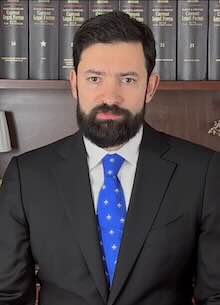
Albert Goodwin Esq. is a licensed Florida attorney with over 18 years of courtroom experience. His extensive knowledge and experience make him well-qualified to write authoritative articles on a wide range of legal topics. He can be reached at 786-522-1411 or email@lawyergoodwin.com.